Clear the Air that I Breathe - Stop uncontrolled open air metal burning in scrapyards.
Sign Now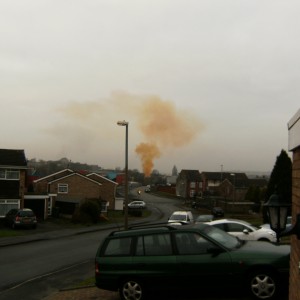
Under the Radar: Air Pollution from Metal Recyclers.
Metal recycling is generally seen as a growing “green” industry. Recycling aluminium, for example, saves 95% of the energy costs of processing new aluminium. Unfortunately, due to its green image, the metal recycling industry has been getting a free pass on air pollution. With heavy industry sited near homes, schools and playgrounds, those most impacted by this air pollution are those living in mixed industrial-residential areas. The practice of burning (oxyfuel cutting) scrap metal in the open air is being allowed near residential homes, putting residents Health at risk and damaging the Environment.
Almost every piece of metal is an alloy of one type or another. Copper, aluminium, and other base metals are occasionally alloyed with beryllium, which is a highly toxic metal. When a metal like this is welded or cut, high concentrations of toxic beryllium fumes are released. Long-term exposure to beryllium may result in shortness of breath, chronic cough, and significant weight loss, accompanied by fatigue and general weakness. Other alloying elements such as arsenic, manganese, silver, and aluminium can cause sickness to those who are exposed.
More common are the anti-rust coatings on many manufactured metal components. Zinc, cadmium, and fluorides are often used to protect irons and steels from oxidizing. Galvanized metals have a very heavy zinc coating. Exposure to zinc oxide fumes can lead to a sickness named "metal fume fever". This condition rarely lasts longer than 24 hours, but is still unpleasant. Not unlike common influenza, fevers, chills, nausea, cough, and fatigue are common effects of high zinc oxide exposure.
It is possible to allow this green industry to continue to grow while protecting the health of the community.
Specific community-based recommendations to protect public health from air pollution from metal recyclers include:
• controlling all emissions from a scrap yard and foundry,
• enclosing all scrapping activities indoors,
• maintaining a negative pressure in the indoor facility to avoid pollution escaping,
• using two tiered ingress/egress, akin to an airlock,
• ensuring rules cover VOC’s and other gases, particulate emissions (metals, etc), and other chemicals,
• providing a Compliance Schedule,
• building in Air Monitoring, specifically at the fence-lines of facilities, and
• keeping detailed records that are open to public inspection.
Sources acknowledged Global Community Monitor and Wikipedia.
Please Sign to get these recommendations acted upon.
Sign The Petition
 Continue with Google
OR
If you already have an account please sign in, otherwise register an account for free then sign the petition filling the fields below.
Email and password will be your account data, you will be able to sign other petitions after logging in.
Shoutbox
Goal
16 signatures
Goal: 1,000
Latest Signatures
21 October 2011
19 October 2011
18 October 2011
17 October 2011
15 October 2011
15 October 2011
15 October 2011
15 October 2011
14 October 2011
14 October 2011
14 October 2011
14 October 2011
13 October 2011
13 October 2011
12 October 2011
12 October 2011
12 October 2011
10 October 2011
10 October 2011
Tags
No tags
Embed Codes
direct link
link for html
link for forum without title
link for forum with title
