Protect Our Oceans: Ban Single-Use Plastics Worldwide
Sign Now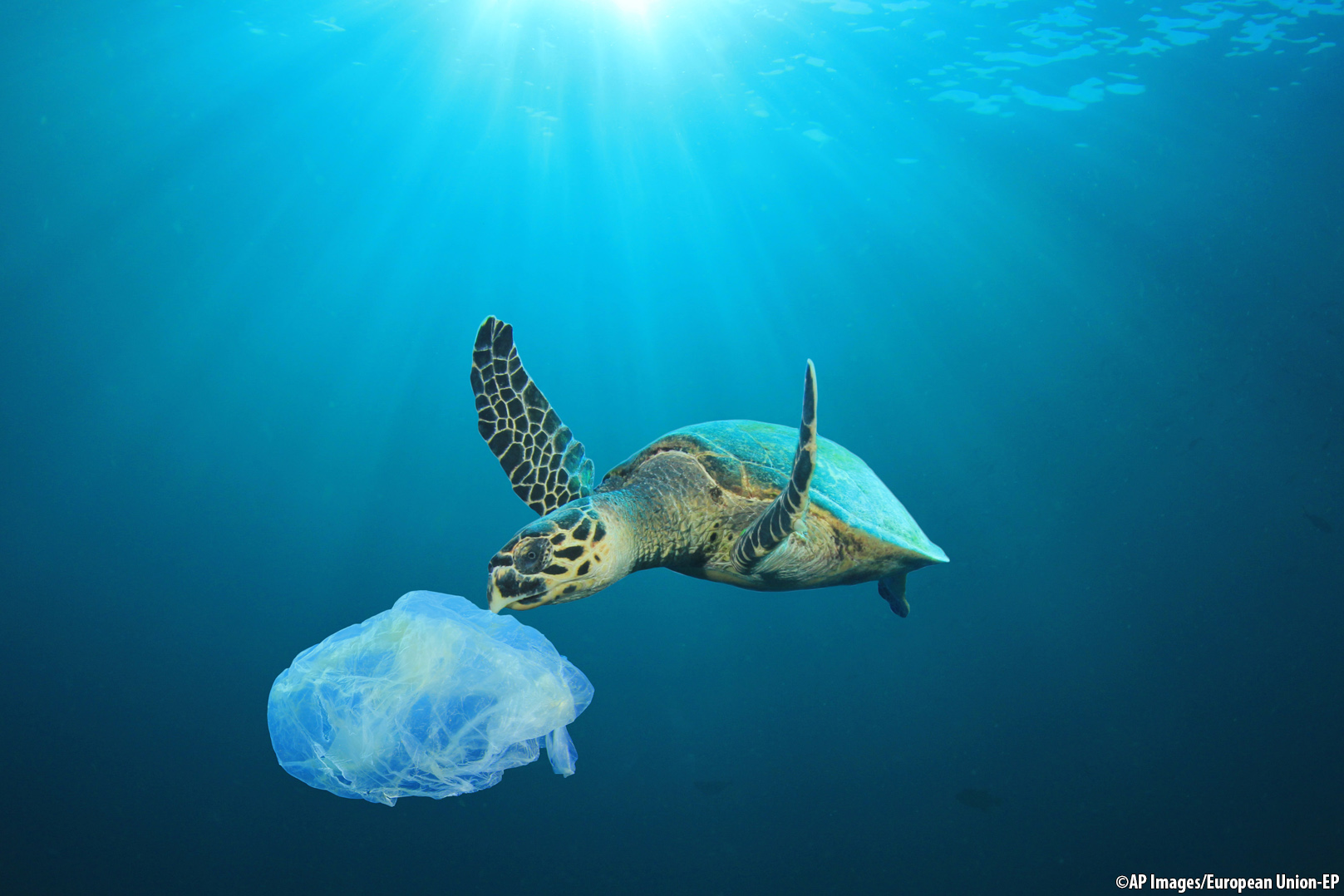
Protect Our Oceans: Ban Single-Use Plastics Worldwide
Introduction
The oceans, which cover more than 70% of our planet, are under siege from plastic pollution. Every year, an estimated 8 million tons of plastic waste enter the oceans, disrupting marine ecosystems, harming wildlife, and even contaminating the food we eat. Single-use plastics—such as straws, bags, cutlery, and packaging—are among the biggest culprits. These items are designed to be used for mere minutes but take hundreds of years to degrade, often breaking down into microplastics that poison marine life and enter our own bodies through the food chain.
This petition calls for a worldwide ban on single-use plastics, urging governments, businesses, and individuals to take action to protect our oceans, marine biodiversity, and future generations.
The Devastating Impact of Single-Use Plastics
1. Marine Life Under Threat
Plastic pollution has catastrophic effects on marine life. Over 100,000 marine mammals and 1 million seabirds die each year from plastic ingestion or entanglement. Sea turtles mistake plastic bags for jellyfish, leading to starvation. Whales and dolphins ingest large amounts of plastic, which blocks their digestive systems, causing slow and painful deaths.
Microplastics—tiny particles that result from plastic breakdown—have been found in fish, shellfish, and even plankton, disrupting marine ecosystems at every level. As plastic pollution worsens, entire food chains are at risk, leading to reduced fish populations and devastating consequences for marine biodiversity.
2. Human Health Risks
The presence of microplastics in seafood is alarming. When marine animals ingest plastic, harmful chemicals leach into their tissues. As humans consume seafood, these toxins make their way into our bodies, increasing the risk of hormonal imbalances, cancer, and other serious health issues. A recent study found microplastics in human blood, lungs, and even placentas, highlighting the urgent need to curb plastic pollution at its source.
3. The Economic Cost of Plastic Pollution
Plastic waste damages industries that rely on healthy oceans, such as fisheries, tourism, and coastal communities. Governments spend billions annually on cleanup efforts, yet the problem persists. The cost of inaction far outweighs the cost of prevention—by banning single-use plastics, we can reduce waste management expenses, protect livelihoods, and ensure a healthier environment for all.
Why a Global Ban on Single-Use Plastics is Necessary
1. Recycling is Not Enough
Despite widespread recycling initiatives, only 9% of all plastic ever produced has been recycled. The rest ends up in landfills, incinerators, or the environment. Many plastics are not recyclable due to contamination, mixed materials, or lack of proper recycling infrastructure. Instead of relying on ineffective recycling systems, we must stop the problem at its source by banning unnecessary plastic production.
2. Existing Bans Show Positive Results
Countries that have implemented plastic bans have seen remarkable improvements. For example:
•Kenya banned plastic bags in 2017, leading to cleaner streets and waterways.
•The European Union has phased out plastic straws, cutlery, and stirrers, reducing waste significantly.
•India has imposed restrictions on plastic packaging, encouraging businesses to shift to eco-friendly alternatives.
These success stories prove that banning single-use plastics is not only feasible but also effective in reducing pollution and protecting the environment.
3. Urgency for Action
If we continue on our current path, plastic pollution in the ocean could triple by 2040. This is an existential crisis for marine life, ecosystems, and future generations. The time for half-measures is over—we need immediate action through strict bans, enforcement, and sustainable alternatives.
Our Demands
This petition calls on world leaders, policymakers, and businesses to:
1. Enact Legislation to Ban Single-Use Plastics
Governments must pass laws banning the production, sale, and distribution of single-use plastics, including:
•Plastic bags
•Straws and cutlery
•Styrofoam containers
•Plastic packaging for non-essential products
Legislation should include clear timelines and penalties for non-compliance to ensure enforcement.
2. Promote Sustainable Alternatives
Businesses and consumers should be encouraged to use biodegradable, compostable, and reusable alternatives, such as:
•Paper, bamboo, or metal straws
•Cloth or paper shopping bags
•Glass or stainless-steel containers
•Plant-based packaging materials
Incentives for companies investing in sustainable materials should be implemented, alongside subsidies to make eco-friendly alternatives affordable.
3. Strengthen Waste Management and Cleanup Efforts
Governments should improve waste management infrastructure by:
•Expanding recycling facilities
•Funding cleanup programs for polluted rivers, beaches, and oceans
•Educating communities on proper waste disposal and sustainability
Additionally, companies that produce plastic waste should be held accountable through Extended Producer Responsibility (EPR) policies, requiring them to manage and reduce their plastic footprint.
4. Raise Global Awareness and Education
Public awareness is crucial for long-term change. Schools, businesses, and governments should implement educational programs about the dangers of plastic pollution and promote sustainable consumption habits. Campaigns to encourage behavioral shifts—such as carrying reusable bags, refusing plastic straws, and supporting zero-waste brands—should be widely promoted.
What You Can Do to Help
While government action is critical, individuals play a vital role in reducing plastic pollution. Here’s how you can contribute:
1.Sign this petition and share it with your network to demand action on banning single-use plastics.
2.Refuse single-use plastics by carrying reusable bags, bottles, and utensils.
3.Support eco-friendly businesses that prioritize sustainable packaging and waste reduction.
4.Educate others about the impact of plastic pollution and encourage community efforts.
5.Participate in beach cleanups and volunteer for environmental organizations working to protect oceans.
Conclusion
The plastic crisis is a global emergency, but we have the power to stop it. Banning single-use plastics is a necessary step toward preserving our oceans, protecting marine life, and ensuring a healthier future for all. Every day we delay action, more plastic enters our seas, more animals suffer, and more toxins infiltrate our food supply.
By signing this petition, you are sending a strong message to governments and corporations that we demand real change. Join us in fighting for a plastic-free future—because our oceans can’t wait any longer.
Sign the petition now and take action to protect our planet!
 Continue with Google
If you already have an account please sign in, otherwise register an account for free then sign the petition filling the fields below.
Email and password will be your account data, you will be able to sign other petitions after logging in.
